
Last updated Dec 29, 2025.
Z-Image-Turbo on Qubrid AI: Benchmarking the Fastest Open-Source Image Generation Model
6 minutes read

Qubrid Team

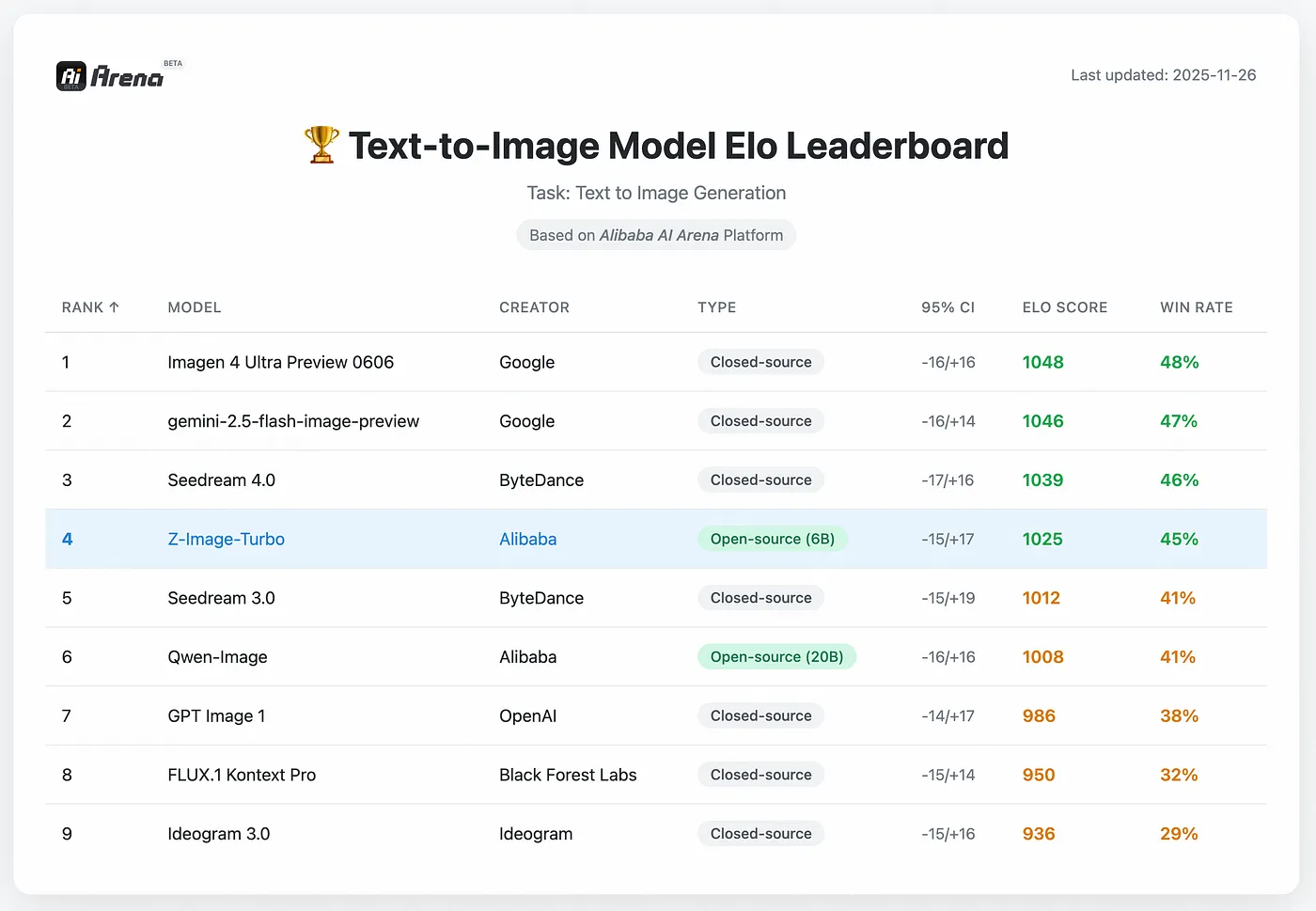
High-quality diffusion pipelines still rely on multi-second sampling, massive VRAM, and complex infra. Z-Image-Turbo changes that equation, and running it on the Qubrid AI Model Studio makes it even more efficient at scale.
This guide breaks down:
What makes Z-Image-Turbo uniquely optimized
Why its distilled architecture is a milestone in high-fidelity inference
How to execute it on Qubrid AI with low-latency GPU calls using our Model API
Why Z-Image-Turbo Is a Milestone for Diffusion Inference
Z-Image-Turbo is a ~6B parameter distilled diffusion model engineered to drastically reduce NFEs (number of function evaluations). In practical terms, it achieves high-quality generations in ~8 steps, with strong retention of detail, spatial structure, and typography.
Most diffusion models still need:
20–30+ sampling steps
slow denoising schedules
non-optimized sampling accelerators
Z-Image-Turbo’s optimizations mean:
faster inference
lower compute consumption
more images per token spent
strong prompt adherence even at high resolutions
Key technical advantages:
Distilled Sampling: Reduces denoising steps while retaining optical fidelity
Photorealism & Text Rendering: Skin texture, lighting, typography, bilingual text
High Spatial Fidelity: Composition structure and layout accuracy
2048×2048 Ready: High-resolution generations without VRAM spikes
For product builders, pipelines, internal tools, and creative systems, this means you get fast results with predictable cost.
Why Run It on Qubrid AI?
Models are only half the story. Inference economics depend on:
GPU latency
scheduling queues
token efficiency
per-generation token usage
Z-Image-Turbo runs on our optimized GPU backend via Model Studio which handles scaling, provisioning, batching, and performance tuning behind the scenes.
That translates to:
faster inference
smoother concurrency under load
more generations per credit
no GPU setup overhead
And because you only interact through Model API calls, integration is minimal and time-to-first-generation is typically under a minute.
Real-World Output Tests
We tested Z-Image-Turbo with a wide spectrum of prompts:
spatial layout
skin and organic texture
typography
artistic style shifts
lighting depth
high-resolution detail
commercial product photography
Examples included:
Precision Architectural Rendering: Tests spatial accuracy, perspective grids, material realism, and lighting discipline.

A modern glass-walled museum lobby at sunset, marble flooring with realistic reflections, suspended kinetic art installation, accurate vanishing point lines, warm diffused volumetric light from ceiling panels, 4k resolution.
Fashion Editorial Portraits: Pushes skin texture, textiles, jewelry reflection, and color grading.

High-fashion editorial portrait of a model wearing a deep emerald silk gown, intricate gemstone necklace, shallow depth-of-field 85mm lens look, natural skin pores, fine hair strands, glossy magazine color grading.
Scientific Visualization & Microscopy: Tests organic pattern accuracy, micro-detail, and magnification fidelity.

Electron microscope-style close-up of a snowflake crystal lattice, micro fractal structure, translucent icy edges, sharp depth isolation, ultra-macro focus, scientific illustration aesthetic.
Cinematic Historical Realism: Tests character anatomy, textiles, era consistency, props, and composition.

A medieval royal hall lit by torches, a king in ornate gold-trimmed robes, carved stone pillars, iron crown reflections, candle smoke diffusion, fine embroidery patterns visible, cinematic depth with anamorphic bokeh.
Stylized 3D CGI Render: Evaluates miniature details, subsurface scattering, lens distortion, and toon shading.

A Pixar-style 3D animated robot sitting on a workshop bench, brushed metal textures, soft rim lighting, subtle subsurface scattering on plastic, micro scratches visible, filmic key-fill-rim lighting setup.
Product Packshot for Retail: Tests packaging clarity, surface finish, typography legibility, and brand lighting.
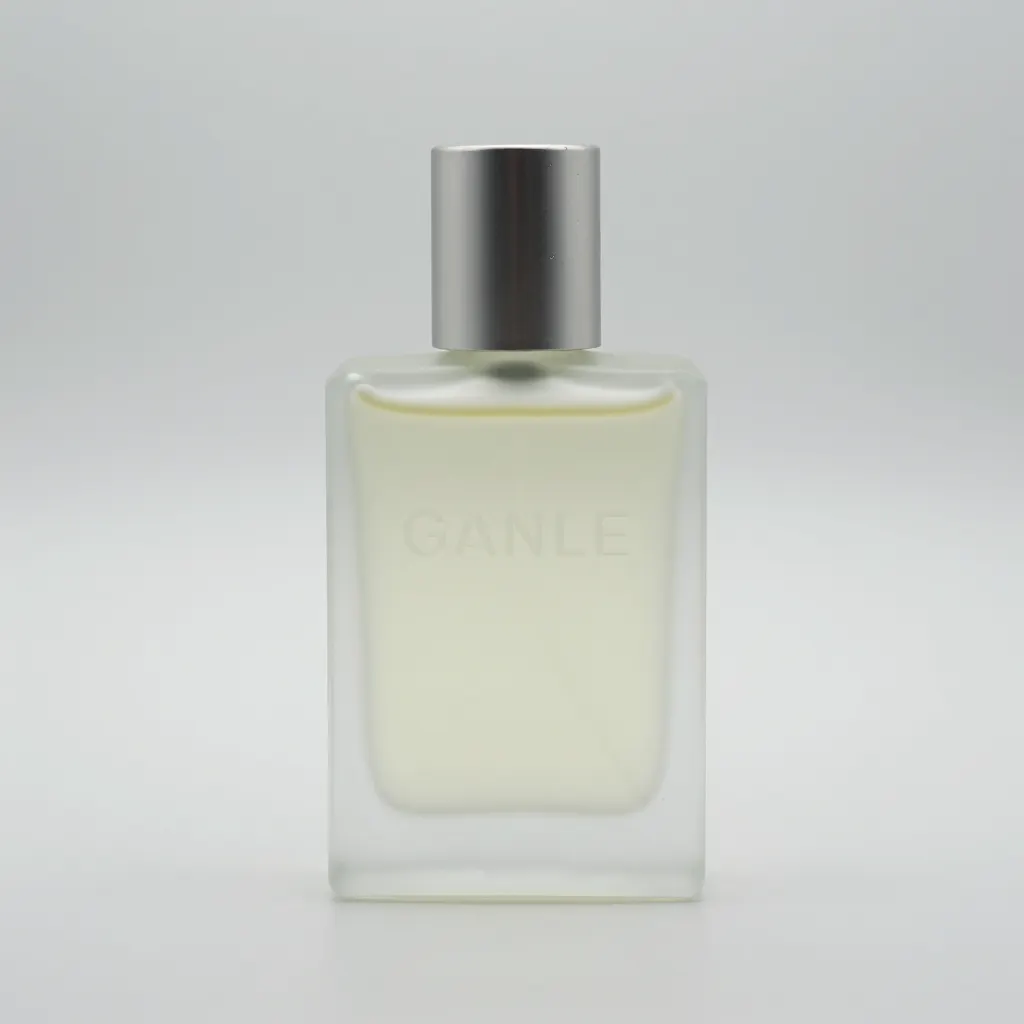
Studio-grade product shot of a fragrance bottle with frosted glass, embossed logo text visible, subtle imperfections on metal cap, softbox reflections, neutral white background, ad-campaign realism.
Cinematic Environment Matte-Painting: Evaluates scale, atmospheric haze, composition, environment depth, and realism.
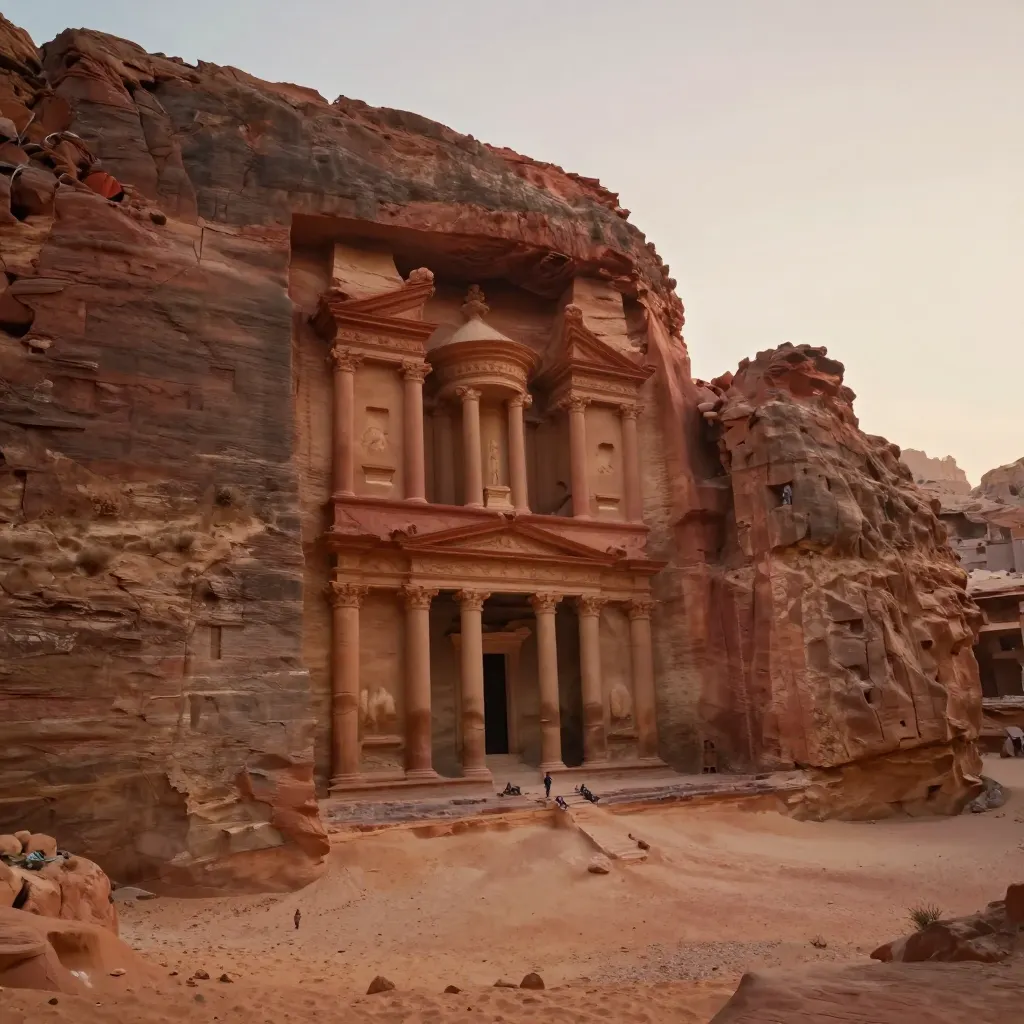
Ancient desert city carved into red sandstone cliffs, warm late-evening light, atmospheric dust haze, tiny figures visible scaling the stairway, cinematic matte-painting quality, ultra-wide cinema frame.
Futuristic Industrial Hard-Surface Concept: Tests metallic shaders, mechanical detail, CAD-like forms, and lighting reflectivity.
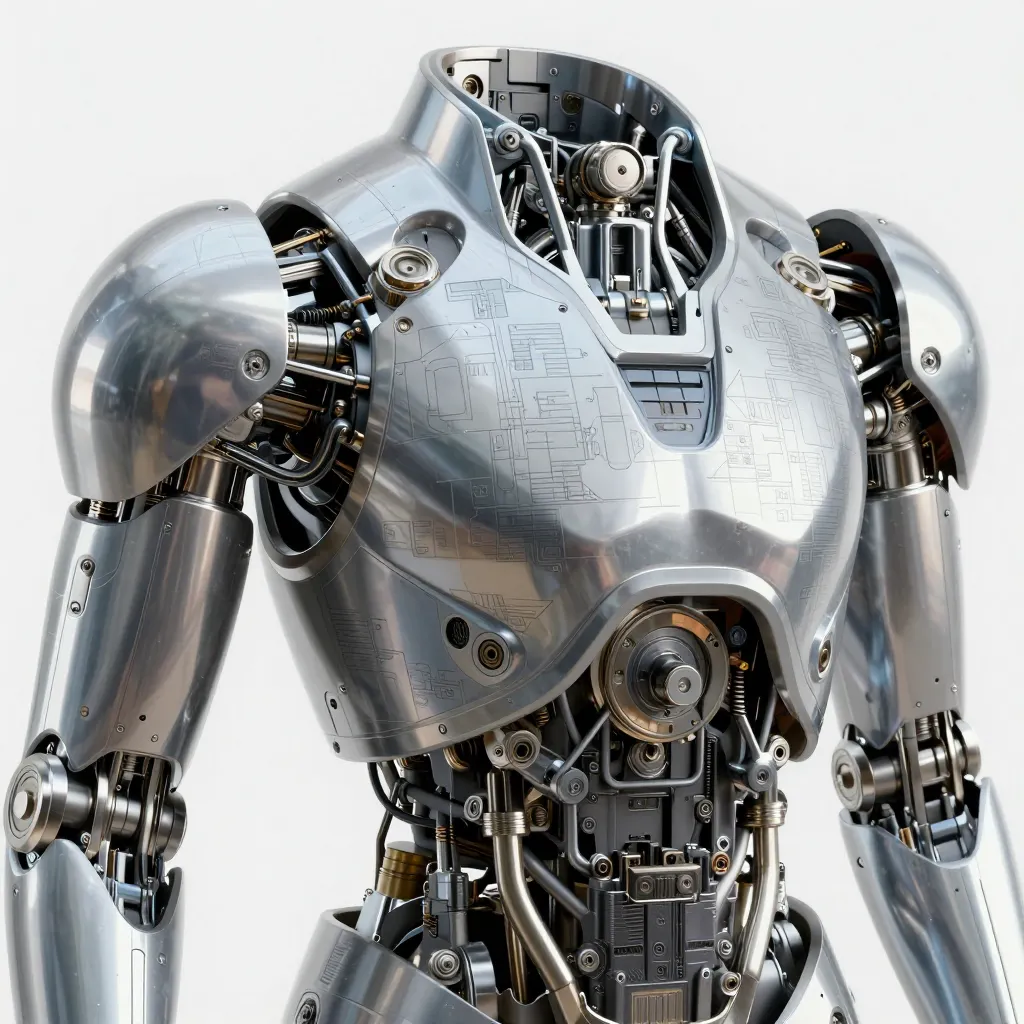
A futuristic exosuit torso plate with exposed servos and micro-machined titanium joints, HDRI reflections, engineering blueprint-level detailing, physically accurate metal gloss.
Advertising-Grade Food Photography: Evaluates moisture textures, depth, sharpness, crumbs, color gradients, plating.
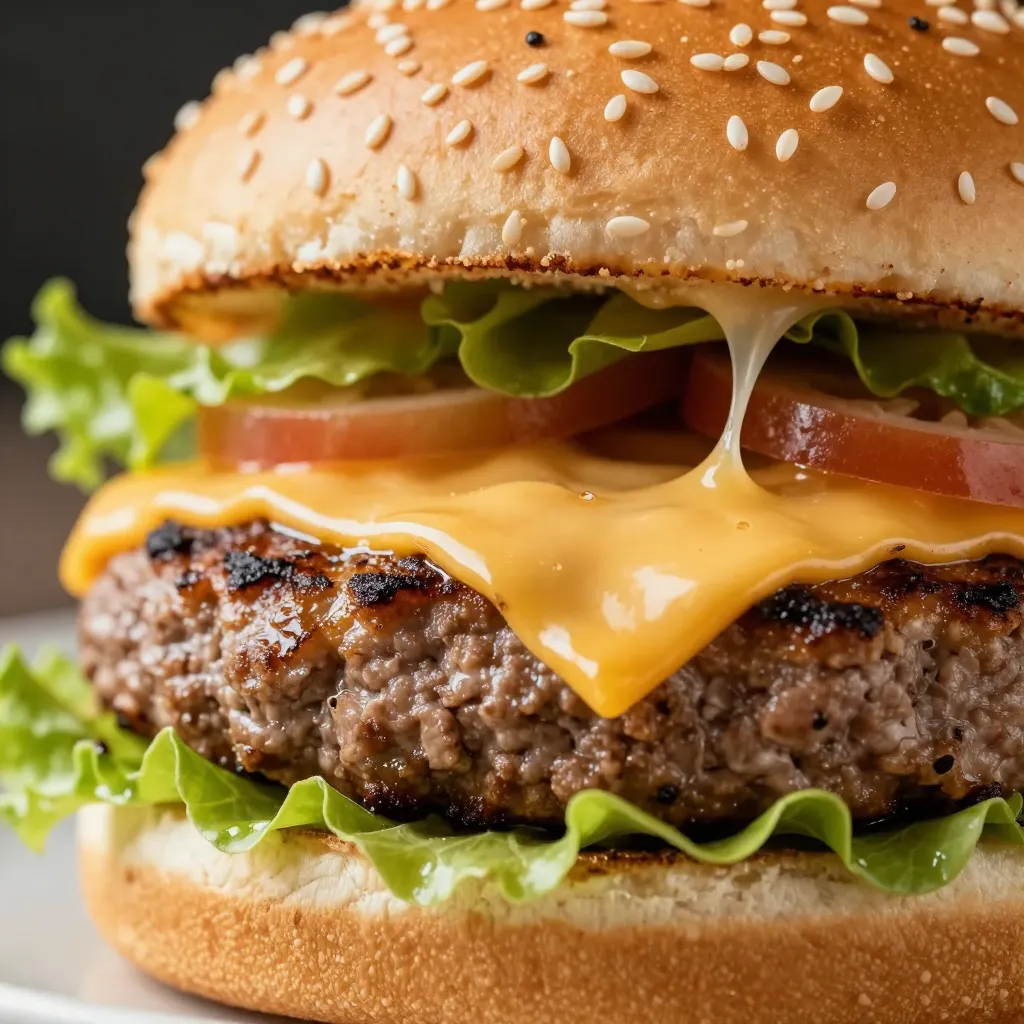
Macro food ad shot of a gourmet sourdough burger: melted cheese strands, glistening fat on seared patty surface, sesame bun grains, depth-of-field blur, studio light reflection on greens, commercial grading.
Ultimate Stress-Test Prompt for Z-Image-Turbo & it handles this prompt well, it proves:
“stable text rendering, multilingual character accuracy, spatial correctness, realistic surfaces, photoreal hands, lighting logic, reflection math, brand-grade product shot quality, commercial design viability”
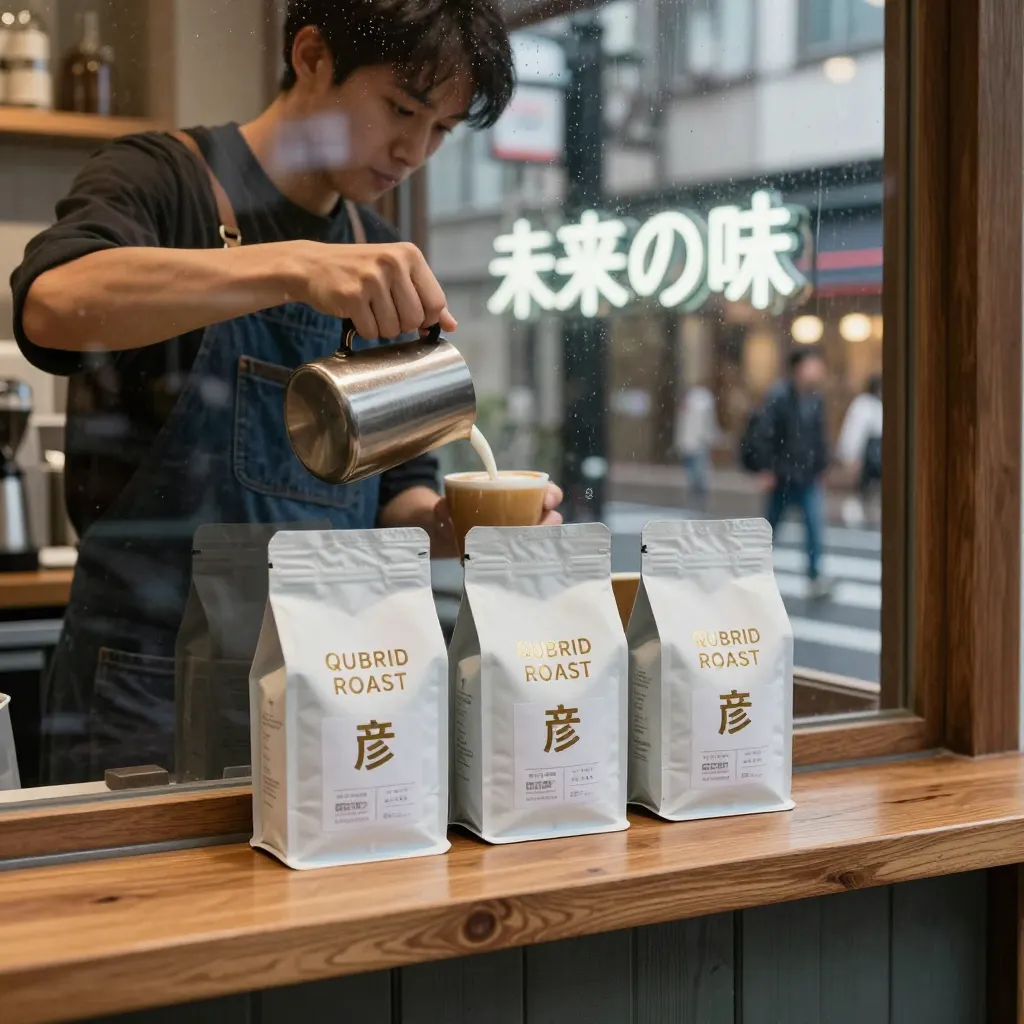
A hyper-realistic cinematic photograph of a glass storefront café on a rainy evening in Tokyo. Inside the café, a barista wearing a denim apron is pouring latte art into a cup. On the counter is a product display of three coffee bags — each bag perfectly printed with the brand name “QUBRID ROAST 彦” in metallic gold foil text (English + Kanji), aligned center, sharp and readable. Through the glass reflection, neon signage reads “未来の味” in crisp glowing typography. Ground reflections show distorted neon lights in wet asphalt. Depth-of-field blur shows pedestrians crossing the street. Soft volumetric light inside the café, accurate perspective lines, visible wood grain texture on the counter, and condensation streaks on the glass. Full 4K resolution, photographic color grading, realistic lens bokeh, accurate hand anatomy, fine hair strands, natural skin pores, commercial ad style.
The model remained consistent across all of them - even at 2048×2048.
Practical Token Efficiency
One quiet advantage of distilled diffusion is lower compute cost per generation.
Typical configs we tested require only a fraction of the tokens that larger architectures consume.
Most prompts stay within $0.05 per generation, depending on:
resolution
sampling steps
CFG scale
Because of that, your free introductory credit stretches extremely far.
You can experiment, prototype, and test multiple use cases with minimal spend — especially helpful for early-stage builds, product experiments, and internal tool prototyping.
Who Should Try This Model
Ideal for teams building:
ad-creative automation systems
internal design tools
product imagery workflows
ecommerce backdrop rendering
UI/UX mockup generators
visual prototyping layers
Fast iteration + predictable spend is a serious unlock.
Final Thoughts
Z-Image-Turbo pushes efficient diffusion inference forward — reduced steps, high fidelity, reliable layout, and crisp typography. And when deployed through Qubrid AI’s Model Studio, the economics and practicality get even better.
This combo makes high-quality image pipelines genuinely accessible to:
individual builders
startup engineering teams
production inference workloads
internal AI tooling
If you’re exploring visual generation — especially where speed and cost predictability matter — Z-Image-Turbo is an excellent model to evaluate.
Start Exploring Today
You can test the model with your free credits, run live benchmarks, and integrate via API in minutes.